OCD Treatment Explained: Understanding the Path to Recovery

Are you looking for OCD treatments nearby? If yes, then you must read this write-up. OCD is much more than being meticulous or having things done in a certain way. OCD is a mental disorder that features persistent, intrusive thoughts and repetitive behaviors/mental acts (compulsions), which someone feels pressured to carry out. Understanding OCD Treatment Explained will enable people and their loved ones to make the right decisions when it comes to OCD care.

What is OCD?
OCD involves suffering from invasive thoughts that cause one to feel anxious or distressed. To alleviate the situation, those with OCD tend to constantly lock doors, wash their hands or count various objects. Though such actions may temporarily relieve the situation, they don’t get rid of the problem.
How Is OCD Treated?
In the discussion of OCD Treatment Explained, it is vital to note that the type of treatment will differ depending on the patient and his or her particular case. The best treatment options will be selected based on the level of symptom severity, general medical history, etc.
Cognitive Behavioral Therapy (CBT)
One of the most popular types of treatment for OCD is cognitive behavioral therapy (ERP), a form of psychotherapy. During therapy, a person learns to face situations that provoke obsessive thoughts but tries to refrain from the compulsions.
Medication
Sometimes, treatment will include medication in addition to psychotherapy. There are some antidepressants in the form of SSRIs that have been helpful in treating OCD symptoms.
Lifestyle and Support
A healthy routine can complement professional treatment. It has been suggested that one must work out regularly, get enough sleep, manage stress, and have a good support network because it might help an individual handle the symptoms. Though lifestyle changes cannot serve as a substitute for therapy or medicines, they usually play a positive role in the general treatment process.
Why Early Intervention Is Important
The problem of delayed treatment is quite common among patients who feel embarrassed or think that they can manage their symptoms themselves. However, OCD is a medical disorder, not a sign of weakness. Early intervention will minimize the effect of symptoms and improve the future outcome.
In TheNeuromind, treatment starts from a thorough evaluation of the patient’s situation. This approach allows mental health specialists to offer the most appropriate treatment plan for a particular person.
Moving Toward Recovery
Step one towards realizing that there is effective treatment for OCD lies in Understanding OCD Treatment Explained. Recovery may not occur overnight, but with proper treatment including therapy and medical advice, many persons have been able to cope with their condition and build self-confidence.
TheNeuromind strives to deliver evidence-based mental healthcare that will help individuals to move on in life with hope. Through treatment and engagement in recovery, persons who suffer from OCD can look forward to leading a more balanced life in the future.


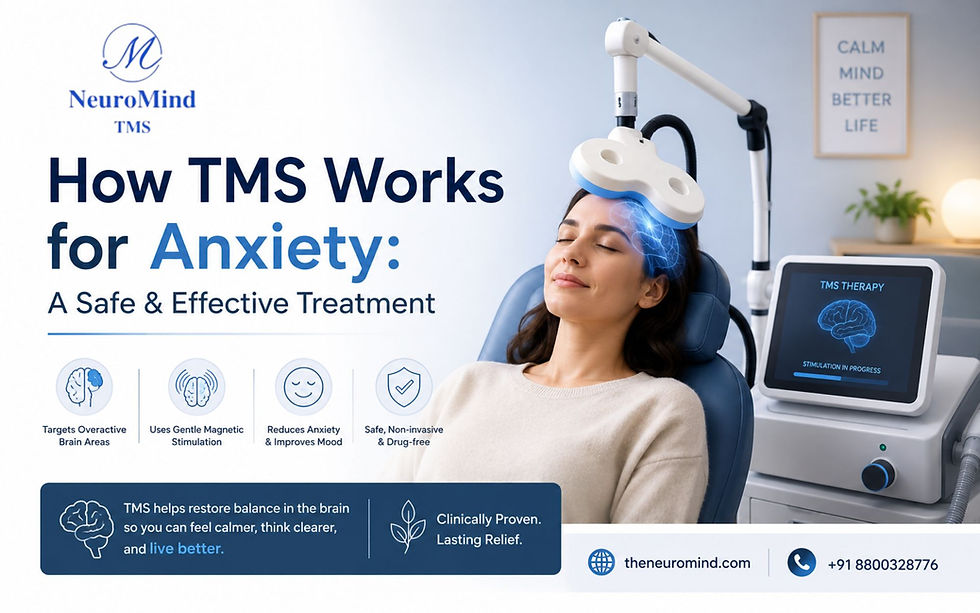
When unwanted thoughts or repetitive behaviors begin controlling daily routines, it can be difficult to know where to start. Exploring ocd treatment can help individuals better understand their symptoms and work with a mental health professional to develop strategies suited to their specific experiences.